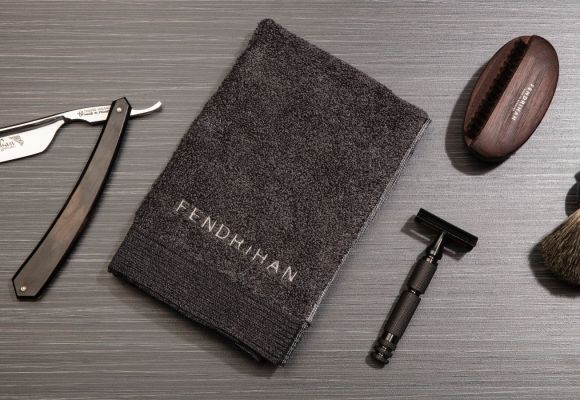
If you’ve always applied shaving cream with your hands, a shaving brush might seem like an unnecessary extra. But if you’ve ever used a shaving brush, you’ll discover it makes a world of difference.
What Does a Shaving Brush Actually Do?
The main job of a shaving brush is to turn shaving soap or cream into a rich, workable lather and spread it evenly across your face.
Instead of simply rubbing shaving cream onto the skin, the brush works the product into your beard. This helps coat the hairs from different directions while distributing lather into areas that can easily be missed when applying it by hand.
It’s especially useful if you use traditional shaving soap pucks, since a brush makes it much easier to load the soap and build a proper lather.
It Helps Prepare Your Beard
A shaving brush does more than move shaving cream around. Using a damp brush helps work water and lather through your facial hair. The brushing motion also helps lift hairs away from the skin, getting them ready for the razor. That combination can make it easier for your razor to move through your beard without requiring as much pressure.
You Can Get a Better Lather
This is probably the biggest difference you’ll notice.
A shaving brush incorporates water and air into shaving cream or soap, creating a thicker and more consistent lather. You can also control the consistency as you go—add a little water if it’s too thick or continue working the lather if it’s too wet.

Once you get the hang of it, building a good lather only takes a minute or two.
It Adds Some Gentle Exfoliation
As you work the brush over your face, the bristles provide a mild exfoliating effect, helping loosen dead skin while preparing your beard. You don’t need to scrub aggressively. Light circular motions are enough. Your face is getting ready for a razor, after all, so there’s no reason to attack it with the brush first.
Synthetic, Boar or Badger?
Choosing a shaving brush doesn’t have to be complicated. There are three common choices:
- Synthetic: Easy to maintain, quick drying and great at building lather.
- Boar: Firmer bristles that work especially well with harder shaving soaps.
- Badger: A traditional option available in different levels of softness and density.
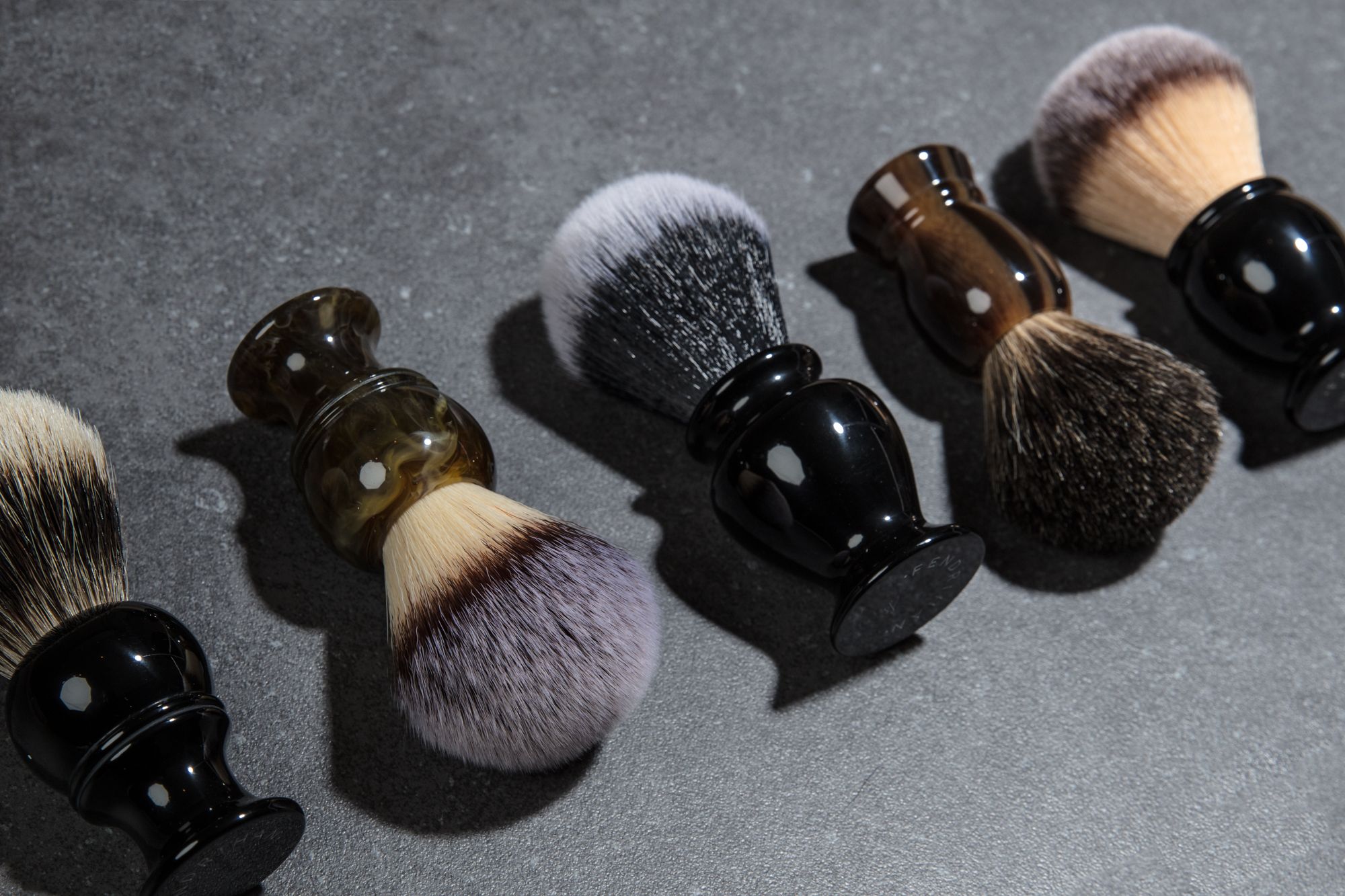
The best choice really comes down to personal preference and how you like to shave.
READ MORE HERE: Natural vs. Synthetic Shaving Brushes
Do You Really Need One?
Not necessarily. If you use a brushless shaving cream or gel and you’re happy with your shave, there’s no rule saying you need to change anything.
With traditional wet shaving, especially when using shaving soaps or shaving creams, a shaving brush is highly recommended to give you the best results.